GS II: India's foreign policy — defence diplomacy, multilateral cooperation, India–Mongolia ties, UN peacekeeping contribution. GS II: International organisations — UN Charter Chapter VII (threats to peace), UN Peace Support Operations. GS III: Internal security & defence — military interoperability, operational readiness, multinational coordination. Keywords for Mains Defence Diplomacy, UN Peacekeeping (UNPKO), Multilateral Military Exercise, India–Mongolia Relations, UN Charter Chapter VII, Spiritual Neighbours Policy
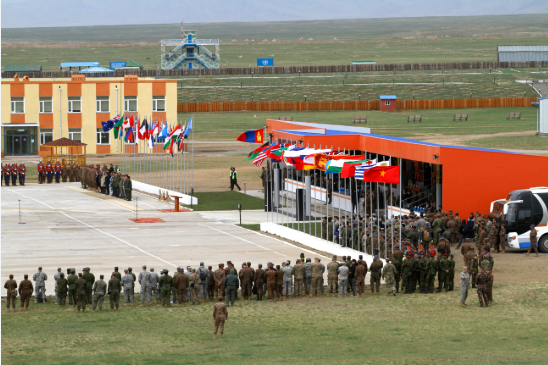
Khaan Quest is a multilateral military exercise hosted annually by Mongolia at the Five Hills Training Area, Ulaanbaatar. Initiated in 2003 as a bilateral exercise between the USA and Mongolia, it expanded into a multilateral format in 2006. The 2026 edition marks its 23rd iteration, with participation from numerous nations, including India. Structure and Mandate The exercise is conducted under the framework of UN Peace Support Operations and is directly linked to Chapter VII of the UN Charter, which authorises the use of force to maintain or restore international peace and security. This gives the exercise a strong operational and legal grounding in global peacekeeping norms. The drills focus on peacekeeping skills, tactical operations, interoperability among multinational forces, and coordination under unified command structures. India's Participation India deputes 40 Army personnel, primarily drawn from the JAT Regiment, reflecting its commitment to multilateral peace-support engagements. India has been one of the world's largest contributors to UN peacekeeping missions historically, and exercises like Khaan Quest directly strengthen the operational preparedness of Indian troops for such deployments. Strategic Significance for India Khaan Quest serves multiple strategic interests. It deepens India–Mongolia bilateral ties — Mongolia considers India a "spiritual neighbour" and a key partner in its "Third Neighbour" policy, aimed at balancing Chinese and Russian influence. The exercise also advances India's defence diplomacy in the Indo-Pacific region, demonstrates India's multilateral military capabilities, and improves soldier-level interoperability with partner nations operating in complex peace-support environments. Conclusion Khaan Quest is more than a military drill — it is a platform reinforcing India's image as a responsible global power committed to international peace, multilateral cooperation, and rules-based world order.