Regulating Ultra-Processed Foods (UPFs) and HFSS Food Advertising: A Public Health Imperative for India
The regulation of UPFs and HFSS food advertising is relevant for GS-II (governance, Right to Health, child protection), GS-III (public health, nutrition, NCDs, consumer protection, market regulation), Essay, and Ethics. It highlights preventive healthcare, responsible governance, corporate accountability, and balancing public welfare with commercial interests.

India's Defence Transformation: Building an Atmanirbhar, Modern and Future-Ready Military Ecosystem
UPSC Mains Relevance GS Paper III: Defence Technology and Indigenous Technology Development, Science & Technology, Internal and External Security GS Paper II: India's Foreign Policy, Bilateral and Strategic Relations, Defence Diplomacy, Essay: Atmanirbhar Bharat, National Security ,Innovation and Technology, Self-Reliance in Strategic Sectors India's Global Role
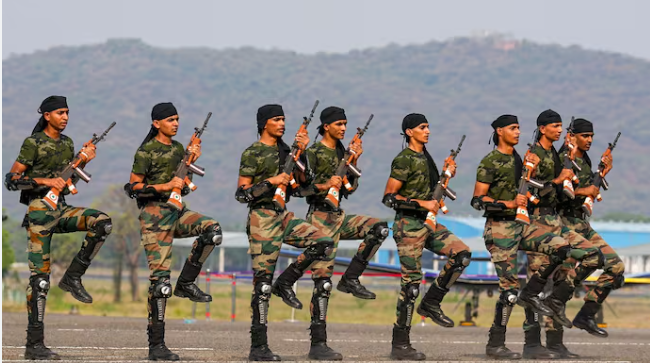
Shifting U.S. Indo-Pacific Strategy: Implications for India's Strategic and Regional Interests
UPSC Syllabus Relevance GS Paper II: India and its neighbourhood relations., Bilateral, regional and global groupings involving India.GS Paper III: Security challenges in border areas., Maritime security. Essay: India's Strategic Autonomy, Multipolar World Order
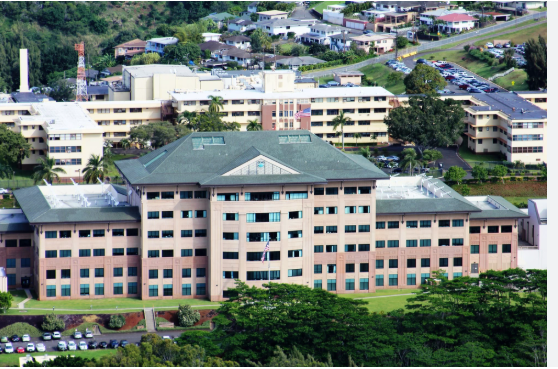
Urban Fire Safety in India: Challenges, Legal Framework, and the Road to Fire-Resilient Cities
GS Paper I: Urbanization, their problems and remedies. GS Paper II: Government policies and interventions. GS Paper III Disaster Management. essay: Urban Governance, Smart Cities, Disaster Preparedness, Technology for Good Governanc, Cooperative Federalism, Sustainable Development Urban Fire Resilience, National Building Construction Standards (NBCS) 2026, Fire Safety Governance, National Building Code (NBC) 2016, Urban Planning, Disaster Risk Reduction (DRR), Golden Hour, Fire No Objection Certificate (NOC)
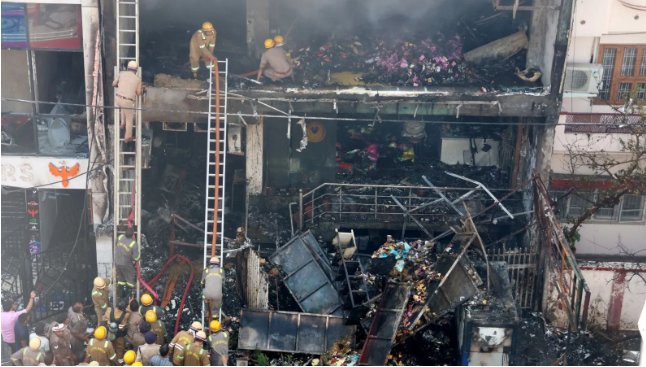
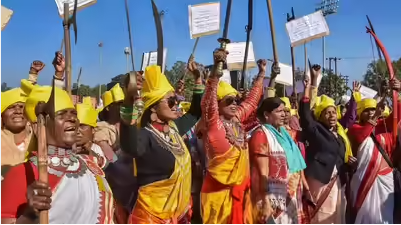
Delisting of Converted Scheduled Tribes: Constitutional, Social and Policy Debate
GS Paper II: Constitutional Provisions and Social Justice, Reservation Policy and Affirmative Action, Fundamental Rights and Religious Freedom, Tribal Welfare and Governance GS Paper I: Tribal Communities and Social Issues, Cultural Diversity and Identity Essay Topics: Reservation and Social Justice, Tribal Identity in a Modern Democracy Balancing Equality and Religious Freedom
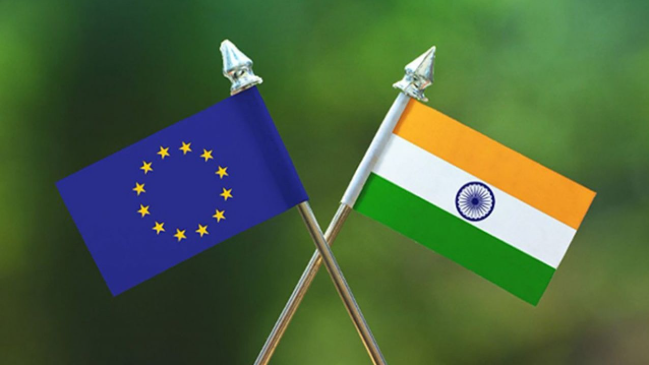
India–European Union Relations: A Strategic Partnership for the 21st Century
UPSC Mains Relevance: GS Paper-II (International Relations), India–EU Strategic Partnership India's relations with regional and global groupings, Bilateral and multilateral diplomacy Global governance and international institutions GS Paper-III: Trade and Investment, Climate Change Cooperation, Technology and Innovation Partnerships Energy Security and Sustainable Development. Strategic Partnership Rules-Based International Order, Multilateralism, Economic Integration, Trade Diversification,Supply Chain Resilience Green Transition, Clean Energy Partnership
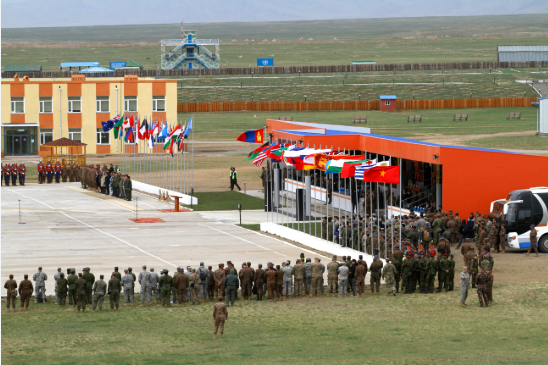
Khaan Quest: India's Peacekeeping Diplomacy in Action
GS II: India's foreign policy — defence diplomacy, multilateral cooperation, India–Mongolia ties, UN peacekeeping contribution. GS II: International organisations — UN Charter Chapter VII (threats to peace), UN Peace Support Operations. GS III: Internal security & defence — military interoperability, operational readiness, multinational coordination. Keywords for Mains Defence Diplomacy, UN Peacekeeping (UNPKO), Multilateral Military Exercise, India–Mongolia Relations, UN Charter Chapter VII, Spiritual Neighbours Policy
Yoga: From Ancient Wisdom to Modern Soft Power International Day of Yoga 2026 & India's Yoga Diplomacy
GS I: History & culture — evolution of Yoga from Indus Valley to modern wellness practice; India's philosophical schools. GS II: India's foreign policy — Yoga diplomacy, soft power, Vishwabandhu narrative, de-hyphenation from Pakistan lens. GS III: Economy — Medical Value Travel (MVT), Heal in India, wellness tourism, New Yoga Economy, forex generation. GS IV: Ethics — holistic well-being, self-realisation (Moksha/Kaivalya), secularising Yoga for inclusive global outreach. Yoga Diplomacy, Soft Power, Vishwabandhu, De-hyphenation, Ashtanga Yoga, Patanjali's Yoga Sutras , Kaivalya / Moksha Common Yoga Protocol (CYP), Medical Value Travel, Heal in India, Wellness Tourism, New Yoga Economy

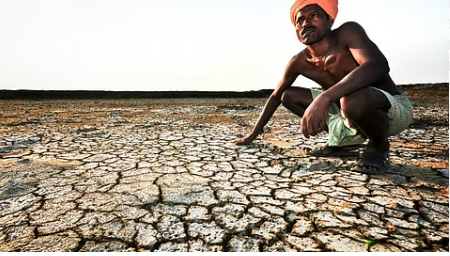
India's Land Degradation: Causes, Patterns, and Conservation
UPSC Relevance PaperTopic ConnectionGS Paper IIndian Geography — soils, erosion, regional patternsGS Paper IIIAgriculture, environment, land use, food securityGS Paper IIGovernment schemes — PMKSY, Green India MissionEssay PaperSustainable development, climate-environment nexus. Land Degradation • Desertification • Soil Erosion • Waterlogging • Soil Salinity • Chambal Ravines • Jhum Cultivation • Green Revolution Legacy • Aravalli Barrier • ISRO Atlas
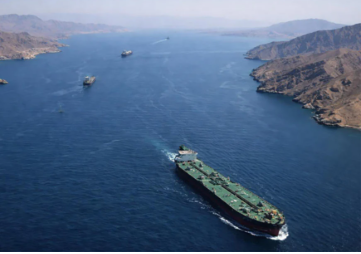
Strait of Hormuz: Gateway to Global Energy
UPSC Relevance Exam ComponentRelevanceGS Paper IIIndia's foreign policy, West Asia relations, energy diplomacyGS Paper IIIEnergy security, trade routes, economic impact of global eventsGS Paper IWorld geography — chokepoints and maritime routesEssay/MainsGlobalisation, geopolitics of energy. Chokepoint • Energy Security • Tanker Traffic • Current Account Deficit • War-Risk Insurance • Maritime Diplomacy • LNG/LPG Imports.
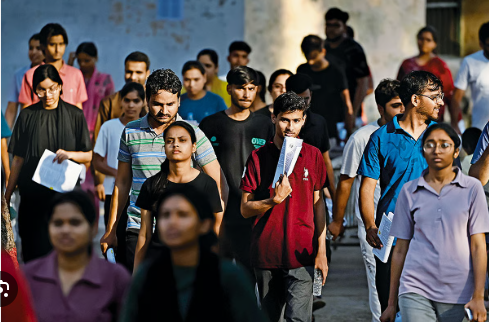
NEET-UG 2026 Controversy: Unveiling the Structural Fault Lines in India’s Examination System
UPSC relevance: GS Paper II (Polity & Governance) Issues related to education governance and examination reforms. Role, functioning, and accountability of public institutions such as the National Testing Agency (NTA). GS Paper IV (Ethics, Integrity & Aptitude) Ethical challenges arising from cheating, corruption, and commercialization of education. Impact of examination fraud on meritocracy, fairness, and public trust. Examination Reforms, National Testing Agency (NTA), Paper Leak Crisis, Institutional Accountability, Public Examinations Act, 2024, Computer-Based Testing (CBT), Cybersecurity in Examinations, Meritocracy and Transparency, Governance Deficit
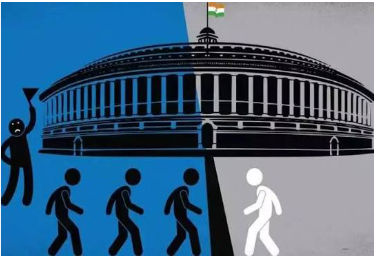
Anti-Defection Law & the Tenth Schedule
UPSC Relevance Exam Sections: GS Paper II (Indian Polity & Governance), Essay Paper Mains Keywords: Anti-Defection Law, Tenth Schedule, 52nd Constitutional Amendment, Merger Provision, Speaker as Quasi-Judicial Authority, Kihota Hollohon Case, Political Stability, Inner-Party Democracy
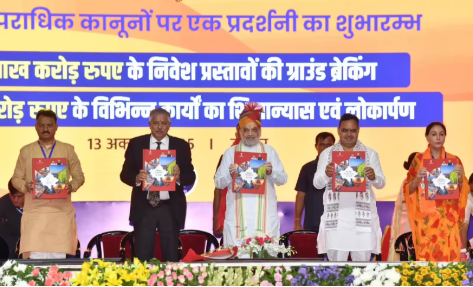
Raj-UNNATI and Viksit Rajasthan @ 2047: Rajasthan's Governance and Economic Roadmap
Relevance for RPSC Exam: GS Paper III/IV (Rajasthan-specific) under state economy, planning, and governance reforms.Rajasthan current affairs. Viksit Rajasthan @ 2047, Amrit Kaal vision, Raj-UNNATI, PRAGATI framework (Centre-State convergence), e-governance and real-time monitoring, outcome-based governance, inclusive and equitable growth model, fiscal targets and state GSDP trajectory, ease of doing business in Rajasthan, accountability and timely implementation
India at the 52nd G7 Summit, 2026
UPSC Relevance: Useful for Prelims (membership, history, host rotation) and Mains GS-II (India's foreign policy, bilateral/multilateral engagement, India's continued non-member but frequent-invitee status reflecting its growing global economic weight) and GS-III (global economic governance architecture).Minilateralism and plurilateral forums, G7 vs G20 distinction, rotating presidency and informal architecture, outreach/guest country diplomacy

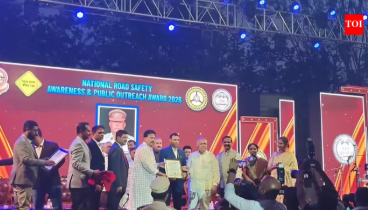
RTO Inspector Dinesh Singh Honoured with National Road Safety Excellence Award 2026
RPSC Syllabus Coverage: This topic falls under "Current Affairs – State, National, and International Importance" in the RPSC General Studies syllabus, and is also relevant to sections on Rajasthan's administrative and governance achievements, as well as Transport and Road Safety Policy under State Government initiatives. Road Safety Vision 2030, Zero Fatality goal, Motor Vehicles Department, RTO administration, road accident prevention
Child Protection from Sexual Offences Act, 2012 (POSCO)
UPSC CSE Syllabus relevance: GS Paper II Government Policies & Interventions, Welfare Schemes for Vulnerable Sections, Issues related to Children Statutory, Regulatory and Quasi-Judicial Bodies, Social Justice and Protection of Child Rights GS Paper I Indian Society, Issues relating to Women and Children Social Empowerment and Vulnerable Sections GS Paper IV (Ethics) Compassion, Empathy, Human Dignity, Protection of Vulnerable Groups, Ethical Governance in Child Protection

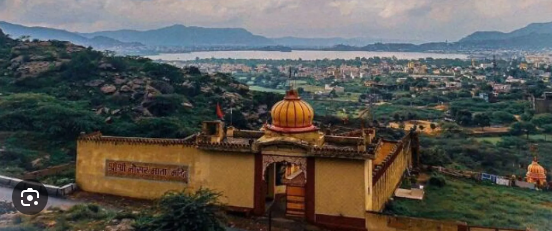
Shri Nausar (Nine-Faced) Mata Temple Ajmer-Pushkar
For RPSC aspirants, this topic is relevant under the broader theme of temple architecture, regional deities, and living cultural traditions of Rajasthan, often tested in the Art and Culture section of the prelims, as well as in current affairs related to state government functionaries participating in religious/cultural events—reflecting the intersection of governance, culture, and heritage preservation in India. Conservation Challenges, Governance/Administration linkages, Religious/Iconographic significance.
The Coal Exchange Rules, 2026
Cover UPSC Syllabus Mains Paper 2: Statutory, Regulatory & Various Quasi-Judicial Bodies. Energy security, Import substitution (coking coal), Cost rationalization for end-users (power, steel, cement), Ease of doing business, Atmanirbhar Bharat (self-reliance in coal), Ease of access for MSMEs/small consumers, Federalism in mineral governance, Environmental clearances and sustainability

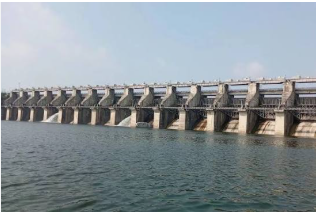
Guler Dam Development Project
RPSC RAS (Pre & Mains): Covered in Paper-I (Economics of Rajasthan – Infrastructure Development / Irrigation Projects) and Paper-II (Geography – Drainage systems and physical features). Sub-Basin Hydrology, Urban Catchment Area,Eco-Tourism Hub, Hydrodynamic Asset Management, Integrated Water Resources Management (IWRM)
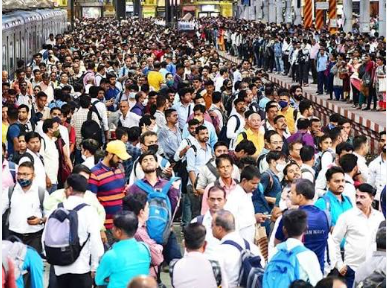
The Indian Family in Transition: Causes and Consequences of Lower Fertility
The topic covers core portions of the UPSC Civil Services Syllabus primarily spanning GS Paper I (Population, Society, and Geography) and GS Paper II (Governance, Social Justice, and Federalism) Total Fertility Rate (TFR) Replacement Level Fertility (2.1). Sub-replacement fertility, Demographic transition, Demographic dividend / Demographic Dependency ratio (old-age dependency ratio), Population momentum, Ageing index
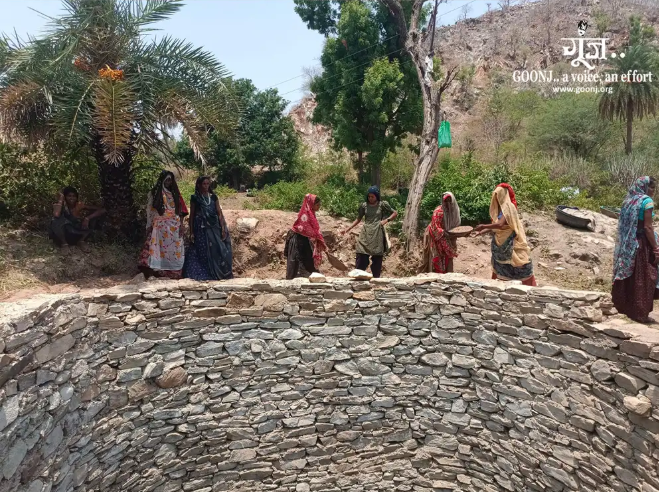
District: Banswara, Village Water Volunteer Scheme
RPSC Syllabus covered broadly under Geography (Water Resources) and Economy/Current Affairs (State Government Schemes).Local Participation, Tribal & Geography Context, Jal Jeevan Mission in Banswara
10 years of Pradhan Mantri Surakshit Matritva Abhiyan (PMSMA)
The Pradhan Mantri Surakshit Matritva Abhiyan (PMSMA) covers General Studies Paper-2 (Social Justice and Governance) under Welfare schemes for vulnerable sections" and "Issues relating to development and management of Social Sector/Services relating to Health. Target Beneficiaries, Comprehensive Care, Categorized Triage (Color-Coded Stickers),Institutional Deliveries
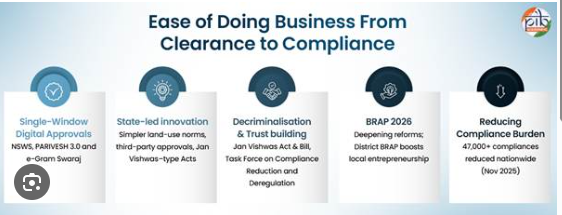
Simplifying Governance, Accelerating Growth: India's Business Reform Agenda Ease of doing business
UPSC Syllabus cover: Indian Economy and issues relating to Planning, Mobilization of Resources, Growth, Development and Employment. Minimum Government, Maximum Governance, Startup India,MSME & Credit Access, Labour & Compliance Reforms, Inclusive growth, Atmanirbhar Bharat, Viksit Bharat 2047
Shiv Ratan Agarwal 'Fanna Babu'
RPSC Syllabus cover: Ethics and human Values: Lessons from lives and teachings of great leaders, reformers and administrators. Role of family, society and educational institutions in inculcating values. Cultural pride, Humility, Heritage brand building, GI product globalisation, Employment generation
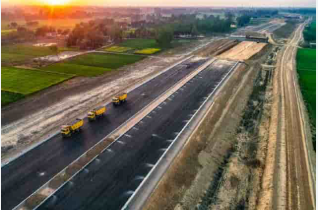
₹2,135 Crore World Bank Assistance for Modernization of Rajasthan Highways
RPSC syllabus cover: Infrastructure Development- Power and Transportation. Public-Private Partnership Projects Externally Aided State Projects. Projects & Funding, Technological Integration & Safety, Sustainability & Green Mobility, Economic & Administrative
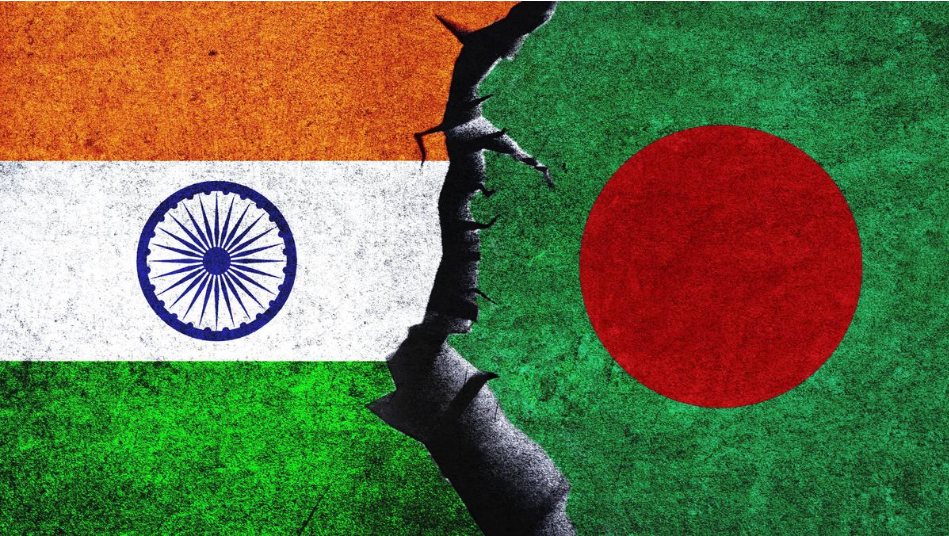
India–Bangladesh Relations: From “Golden Chapter” to Strategic Crisis
India and its Neighborhood- Relations. Neighbourhood First Policy, Act East Policy, Debt-Trap Diplomacy,Hydro-diplomacy.
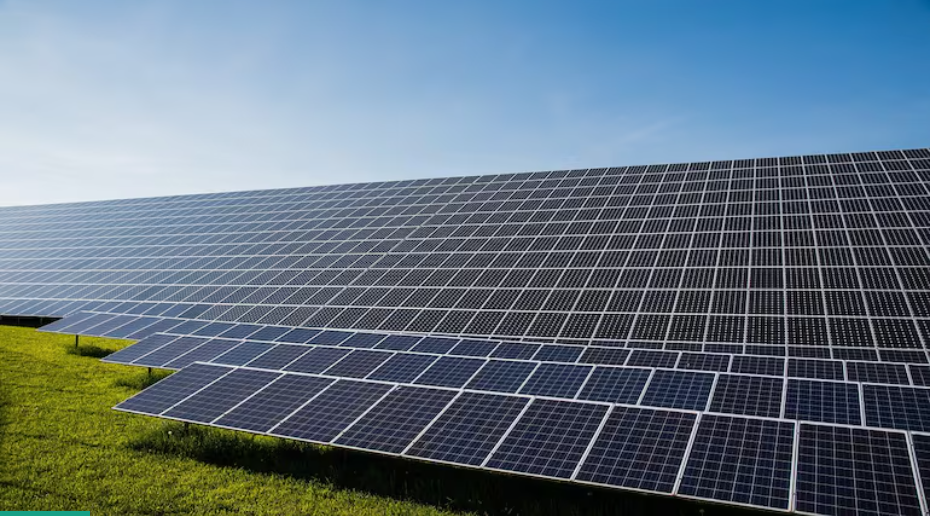
State's Largest PM-KUSUM Solar Plant (4.9 MW) Commissioned in Jaipur's Tala Village
RPSC syllabus Cover: Infrastructure Development- Power and Transportation. Public-Private Partnership Projects Externally Aided State Projects. Green Jobs & Career Opportunities, Environmental Conservation, Agrivoltaics & Technology
India’s New ₹20/Litre Cheaper Fuel is Here! | Will E85 Destroy Your Engine?
Environmental & Air Quality, Biofuel & Ethanol Technology, Energy Security & Fuel Conservation, Socio-Economic & Agricultural Links. UPSC Syllabus coverage: GS3: Science and Technology- developments and their applications and effects in everyday life ,Conservation, environmental pollution and degradation, environmental impact assessment.
Vande Ganga Jal Sanrakshan Jan Abhiyan (2026)
Water Scarcity, Rainwater Harvesting, Greywater Recycling, Watershed Management, Water Footprint, Desalination. Why is this topic important? Because you can use this example in answers related to all the keyword mentioned above. Covers RAS syllabus: Water Conservation with special reference to the Traditional Systems in the State of Rajasthan.
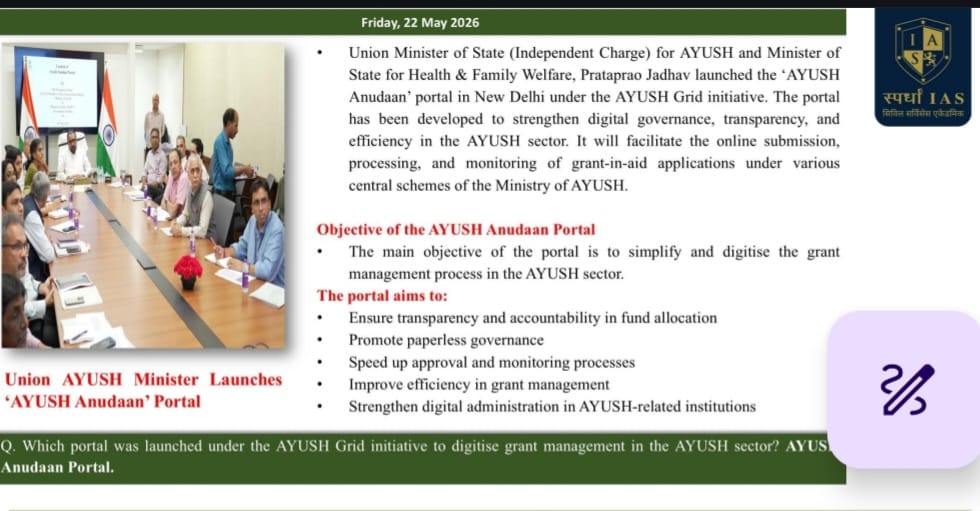
AYUSH Anudaan
Union AYUSH Minister Launches " AYUSH Anudaan " Portal
E30 Petrol Standards Notified
India notifies E30 Petrol Standards
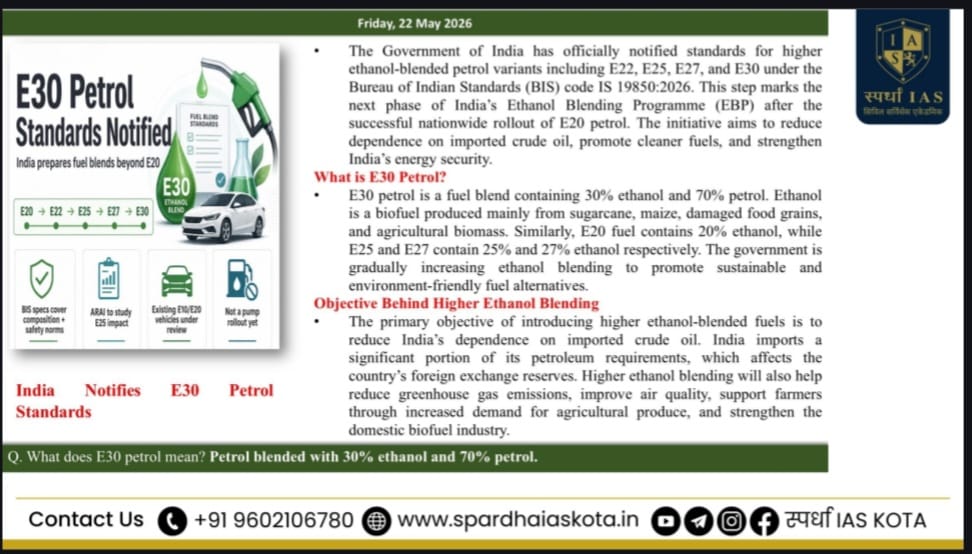
India-Netherlands Technology Partnership
Semiconductor Cooperation
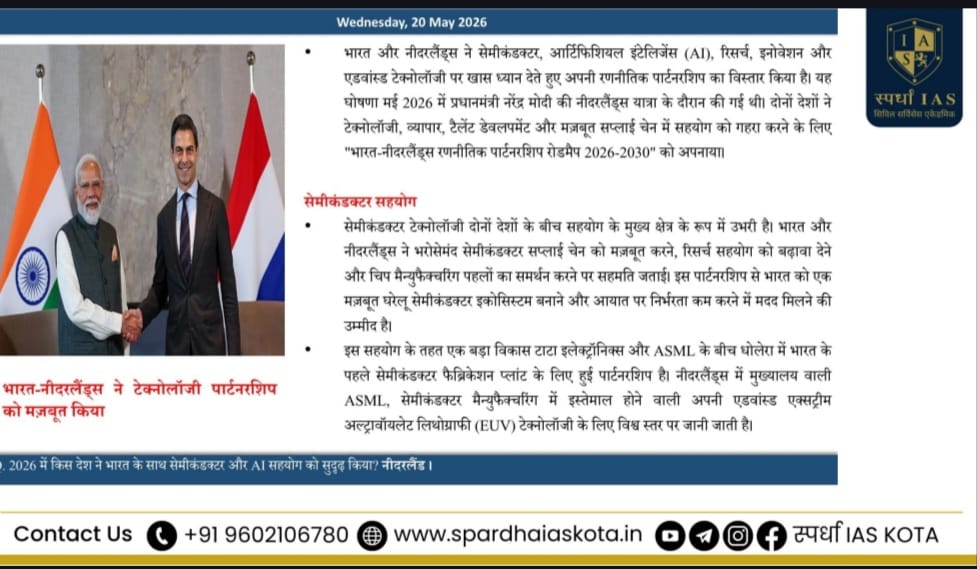
Bhojshala
Mdhhya Pradesh High Court Declares Bhojshala Complex Hindu Temple
Spardha IAS: Your Gateway to IAS and RAS Success in Kota, Rajasthan!
If you're dreaming of becoming a civil servant and aspire to crack the coveted IAS or RAS exams, Spardha IAS is here to help you achieve your goals. Located in Talwandi, Kota, Rajasthan, Center Of The Kota City. Spardha IAS is a premier coaching institute that provides quality coaching to IAS and RAS aspirants.
.jpeg)
BEST UPSC COACHING IN KOTA EDUCATIONAL CITY
Best the aim of Spardha IAS is to develop & nurture a competitive attitude amongst students. Our strategy is to assist the aspirants to frame an accurate and separate strategy and plan at every level of examination, i.e., preliminary, main, and Interview. Classroom Programmes are conducted by the experts of their respective fields, in order to assist aspirants to develop the clear and basic fundamentals of the subject. The institute has been very successful in making potential aspirants realize their dream which is evident from the success stories.
A lot of things and Facts that make this top choice best Coaching for IAS
This blog is about The Best Coaching classes in Kota for IAS preparation and UPSC exams. In this Article you will know about the qualities of a Best Institute for UPSC exam preparation.This article will be very helpful for you to choose The best coaching for IAS. The Indian Administrative Services (IAS) is the Dream of the UPSC (Union Public Service Commission) aspirants. Let’s see what is the Best IAS Coaching in Kota. We have gathered the best information in this article to guide you in the Path of Becoming the IAS officers.
Best IAS Coaching Institute for IAS in kota
Spardha IAS Academy is a premier institute for the IAS preparation. The ideal combination of Academic and Professional Education has been adopted by us to provide quality education to students in all fields of careers without any bias for their selection.
Achieve Your IAS Dream of Becoming an IAS Officer
Becoming an IAS officer is a prestigious and challenging career choice that requires a lot of hard work, dedication, and perseverance. Spardha IAS Kota help students to achieve their dream of becoming an IAS officer.
Top Civil Services Coaching in Kota
In Spardha IAS Kota the lectures are scheduled throughout the day only on weekends to ensure the students and working class can get full benefit from it. Because of its all pervading and ever prospering realm, it is being designated as the fastest growing Civil Services exam coaching institute in India
How to prepare for the IAS Exam?
If you want to prepare for the IAS examination in Kota, you need to be hardworking, dedicated, and organized. Just remember one thing that ‘There is no shortcut to hard work’.
Best UPSC coaching in Kota
The aim of Spardha IAS is to develop & nurture a competitive attitude amongst students. Our strategy is to assist the aspirants to frame an accurate and separate strategy and plan at every level of examination, i.e., preliminary, main, and Interview. Classroom Programmes are conducted by the experts of their respective fields, in order to assist aspirants to develop the clear and basic fundamentals of the subject.
How to prepare for the IAS Exam?
#Spardha_IAS_ Kota Keeps reminding yourself about why you chose the Civil Services Examination as it will help you in keeping yourself motivated and consistent throughout the preparation process
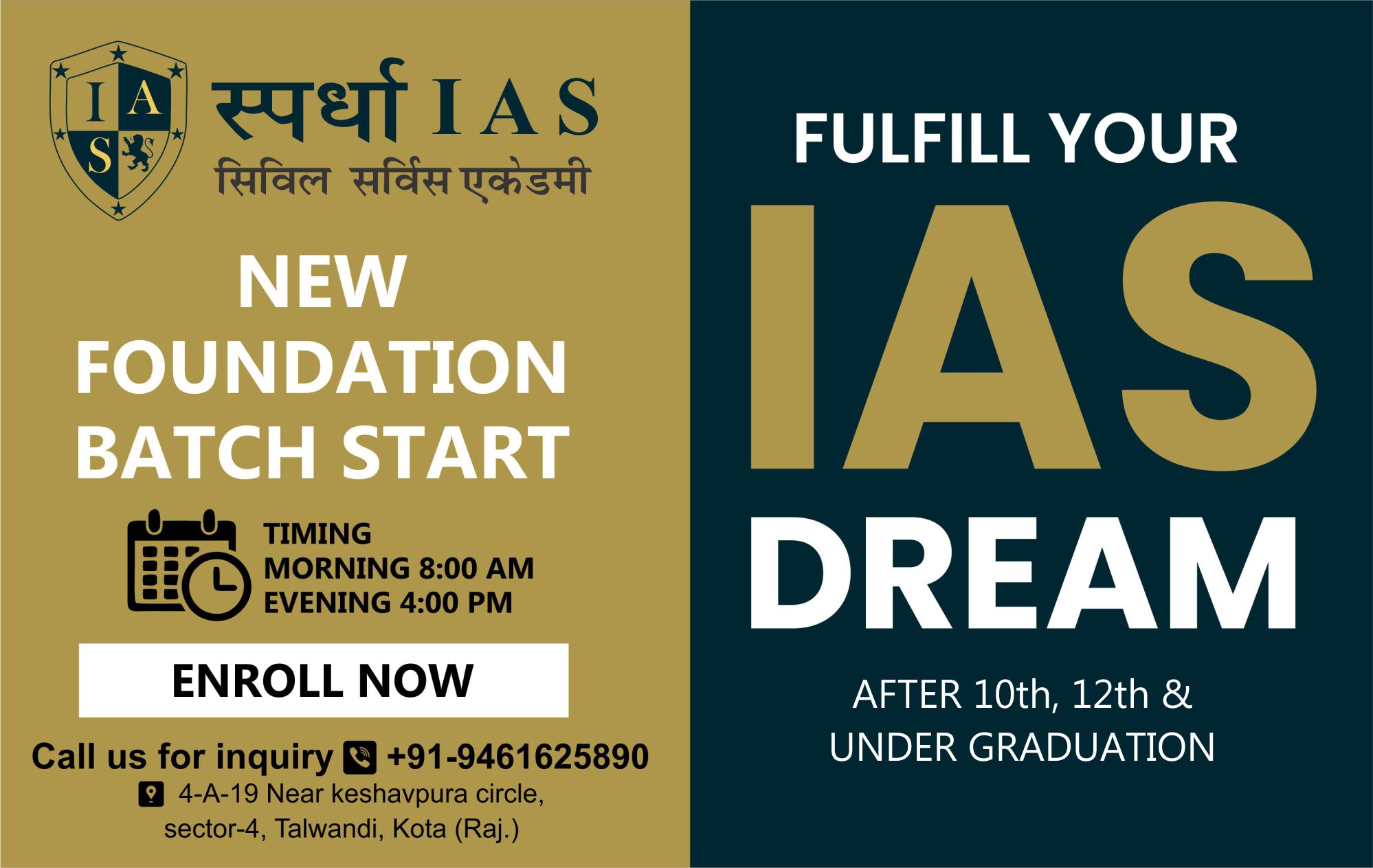
गांधीवादी विचारधारा
गांधीवादी विचारधारा महात्मा गांधी द्वारा अपनाए गए और विकसित किए गए धार्मिक और सामाजिक विचारों का समूह है, पहली बार दक्षिण अफ्रीका में 1893 से 1914 तक और बाद में भारत में। गांधीवादी दर्शन न केवल एक साथ राजनीतिक, नैतिक और धार्मिक है, यह पारंपरिक और आधुनिक, सरल और जटिल भी है। यह कई पश्चिमी प्रभावों का प्रतीक है जिनसे गांधीजी उजागर हुए थे, लेकिन यह प्राचीन भारतीय संस्कृति में सार्वभौमिक नैतिक और धार्मिक सिद्धांतों का उपयोग करते हुए निहित है।
आईएएस की तैयारी– कुछ मूल्यवान सुझाव
यूपी एससी की परीक्षाओं को भारत की सबसे कठिन परीक्षाओं में से एक माना जाता है इसलिए इसकी तैयारी भी कठिन होती है। हर वर्ष लाखों की तादाद में उम्मीदवार अपने ज्ञान, समर्पण और उत्साह से देश की सेवा का मौका पाने के लिए इस परीक्षा में शामिल होते हैं। विस्तृत नोट से लेकर विशेषज्ञों के मार्गदर्शन तक यूपी एससी की तैयारी कर रहे उम्मीदवारों की तैयारी किट में सब कुछ शामिल होना चाहिए। पर क्या आपको ये पता है कि इन परीक्षाओं में कौन सी बातें सबसे ज्यादा काम आती हैं? वो हैं यूनीक स्टडी प्लान या रणनीति।
.png)